
How to Improve Posture with Physiotherapy in Dwarka | Permanent Posture Correction
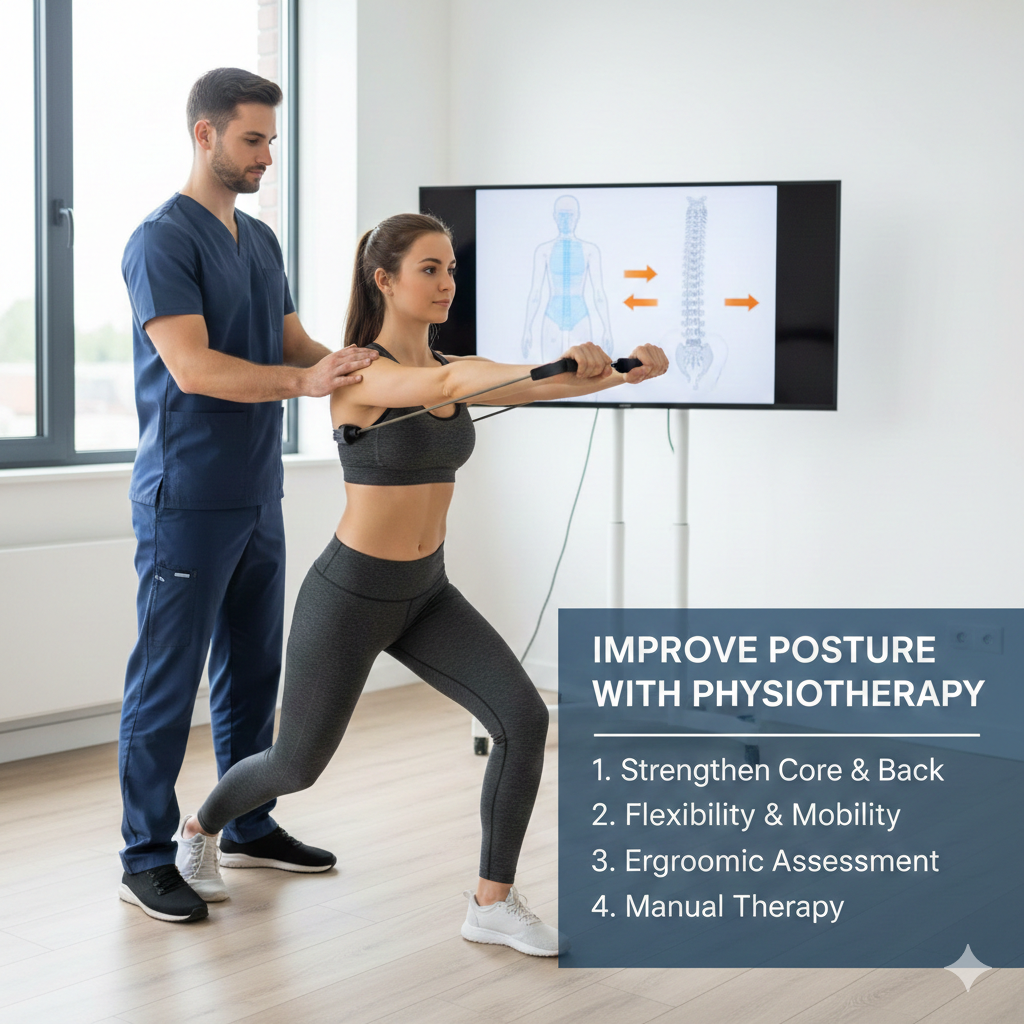
How to Improve Posture
Bad posture doesn’t start as a problem. It becomes one quietly. Then one day you wake up with neck pain, back stiffness, shoulder tightness, or headaches and Google how to permanently fix posture.
That’s where physiotherapy actually matters.
This guide explains how to improve posture with physiotherapy in Dwarka in a practical, medical, and sustainable way. No shortcuts. No unrealistic “stand straight forever” advice.
What Is Posture and Why It Goes Wrong
Posture refers to how your body holds itself while sitting, standing, walking, or working. Most posture problems today are caused by:
Prolonged sitting
Mobile and laptop use
Weak core and back muscles
Poor workstation setup
Posture problems are not fixed by awareness alone. They require posture exercise therapy guided by a physiotherapist.
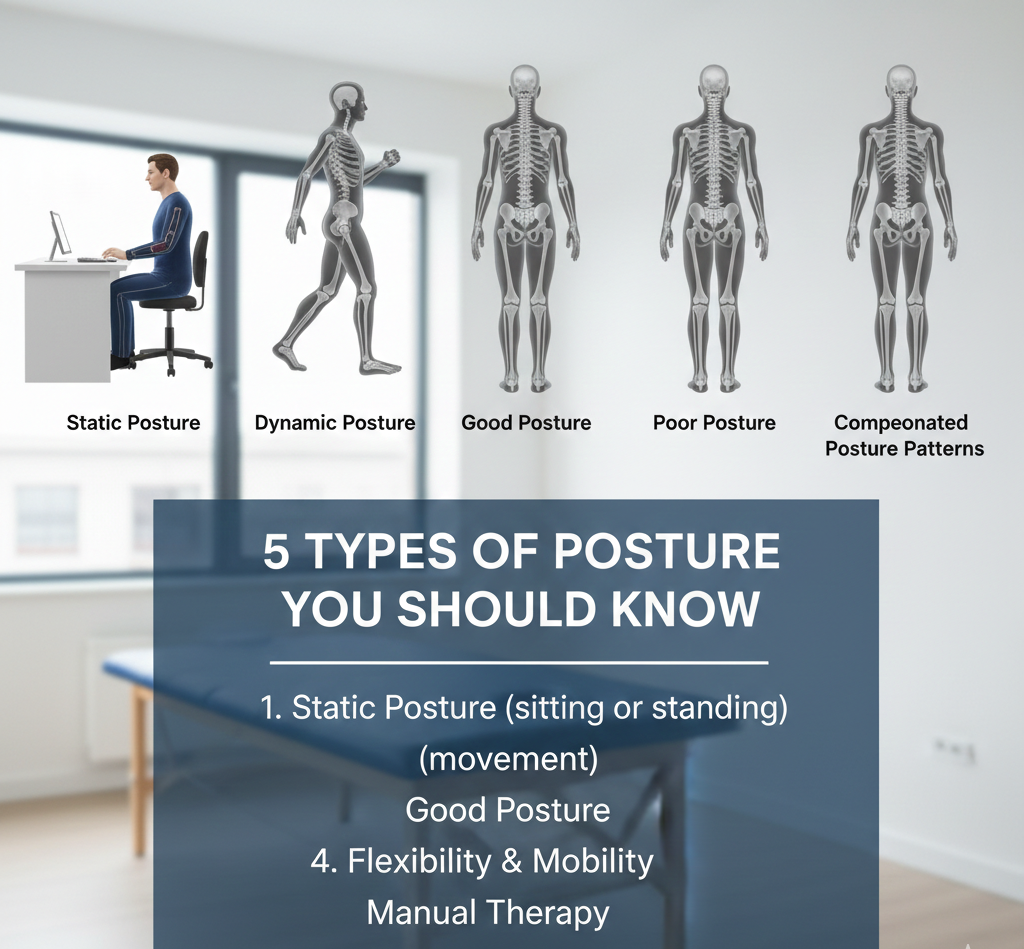
5 Types of Posture You Should Know
Understanding posture starts with classification. In exercise therapy and physical education, posture is commonly divided into:
Static posture (sitting or standing)
Dynamic posture (movement)
Good posture
Poor posture
Compensated posture patterns
Most people don’t have “bad posture” everywhere. They have faulty patterns in specific activities.
Why Google Searches Like “Posture Physiotherapy PDF” Don’t Help
Searches for posture physiotherapy PDF, posture PPT in exercise therapy, or posture slideshare physiotherapy are common. But static material doesn’t fix dynamic problems.
Posture is a movement issue, not a reading issue.
Physiotherapy corrects posture by:
Identifying muscle imbalances
Improving joint mobility
Retraining movement patterns
Strengthening postural muscles
This is why people searching how to improve posture with physiotherapy in Dwarka need guided care, not downloads.
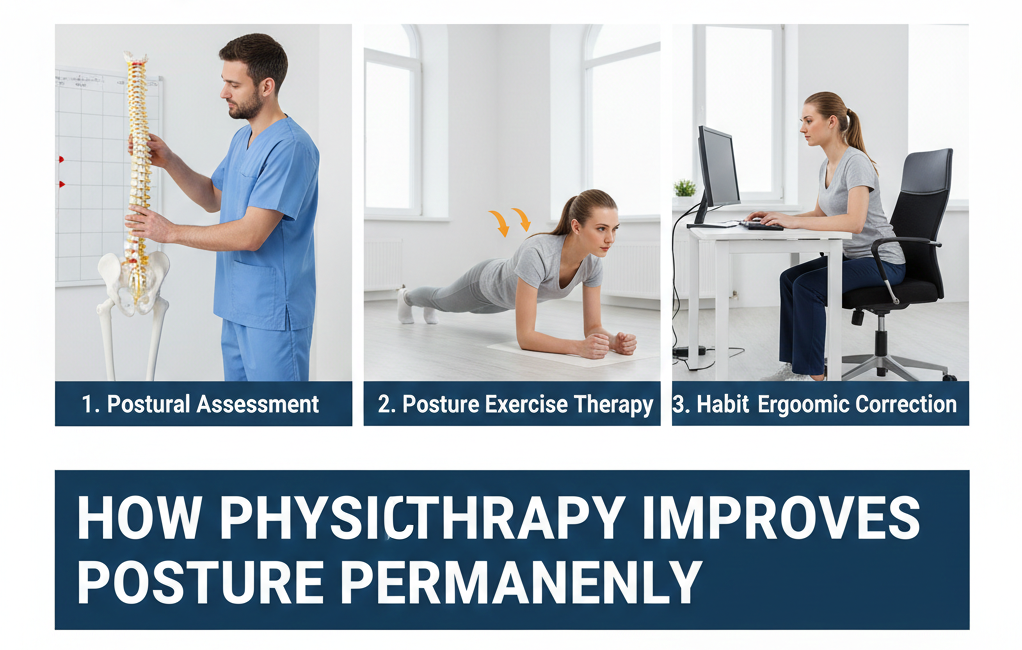
How Physiotherapy Improves Posture Permanently
If you’re serious about how to permanently fix posture, physiotherapy works through stages:
1. Postural Assessment
A physiotherapist evaluates spine alignment, muscle strength, flexibility, and daily habits.
2. Posture Exercise Therapy
Targeted exercises focus on:
Core strengthening
Scapular stability
Neck and upper back mobility
These are the foundations of good posture in exercise therapy.
3. Habit & Ergonomic Correction
Posture fails if daily habits stay the same. Physiotherapy includes:
Sitting posture correction
Workstation guidance
Sleep posture advice
Posture Exercise Therapy: What Actually Works
Forget generic charts. Effective posture exercise therapy includes:
Deep neck flexor strengthening
Thoracic spine mobility exercises
Core stabilization
Hip and pelvic alignment training
This approach is taught in professional exercise therapy, not YouTube reels.
How Long Does Posture Correction Take?
Here’s the honest answer people avoid.
Posture correction takes:
3–4 weeks for awareness
6–8 weeks for strength changes
3–6 months for long-term correction
Anyone promising instant results is selling optimism, not physiology.
Deep neck flexor strengthening
Thoracic spine mobility exercises
Core stabilization
Hip and pelvic alignment training
This approach is taught in professional exercise therapy, not YouTube reels.
How to Improve Posture with Physiotherapy in Dwarka Specifically
Local physiotherapy matters because posture issues are lifestyle-driven. Long commutes, desk jobs, and device usage patterns in urban areas make physiotherapy in Dwarka especially relevant.
Physiotherapy sessions include:
Individual posture assessment
Progressive exercise therapy
Pain relief if posture has caused symptoms
Long-term correction plans
When Should You Seek Physiotherapy for Posture?
You should not wait until pain becomes chronic.
Physiotherapy is recommended if you have:
Persistent neck or back pain
Rounded shoulders or forward head posture
Frequent headaches
Fatigue while sitting or standing
Posture issues ignored early become spine issues later.
Final Thoughts
Reading about posture won’t fix posture.
If you’re serious about how to improve posture with physiotherapy in Dwarka, the solution lies in assessment, exercise therapy, and habit correction. PDFs explain. Physiotherapy corrects.
Your spine adapts to what you do daily. Train it properly.