
Child Physiotherapy for Growing Pains | Symptoms, Causes & Treatment
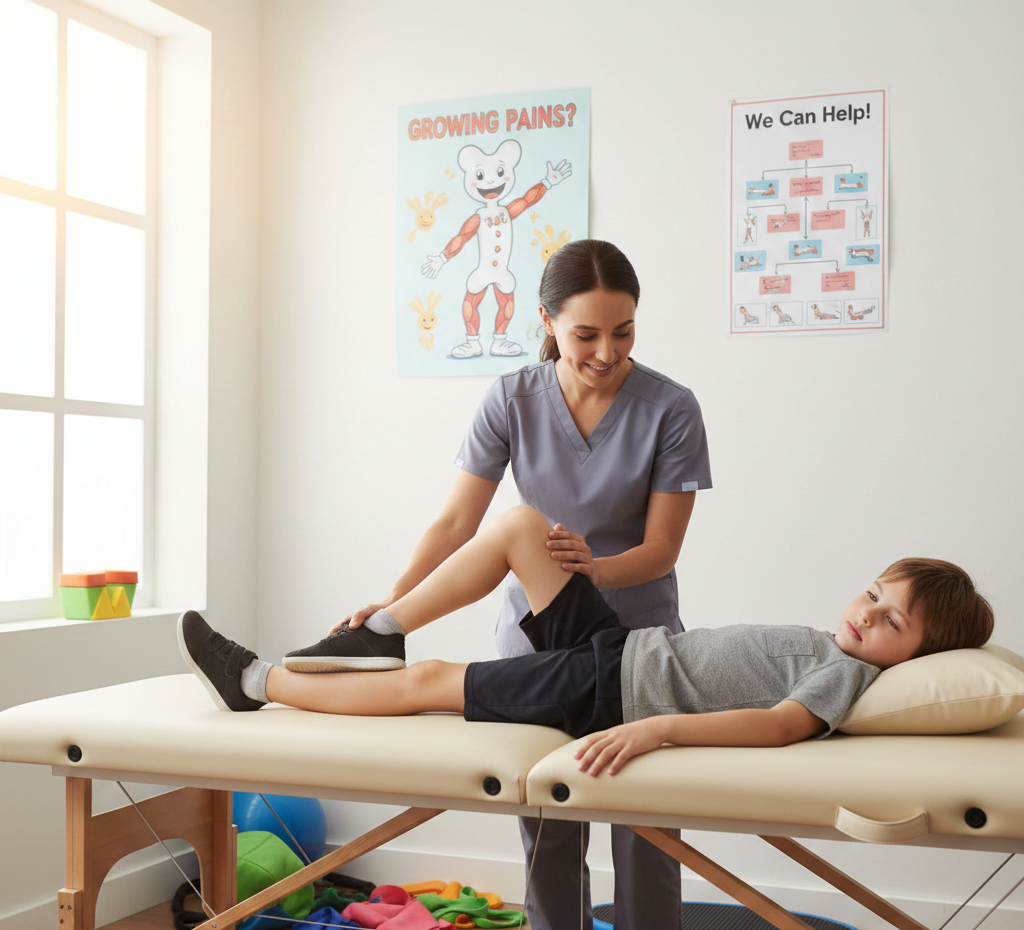
Child Physiotherapy for Growing Pains
When a child complains of leg pain at night, parents hear one sentence over and over:
“It’s just growing pains.”
That phrase explains nothing. And it definitely doesn’t help when your child can’t sleep.
This guide explains what growing pains are, why they happen, and when child physiotherapy for growing pains is actually needed.
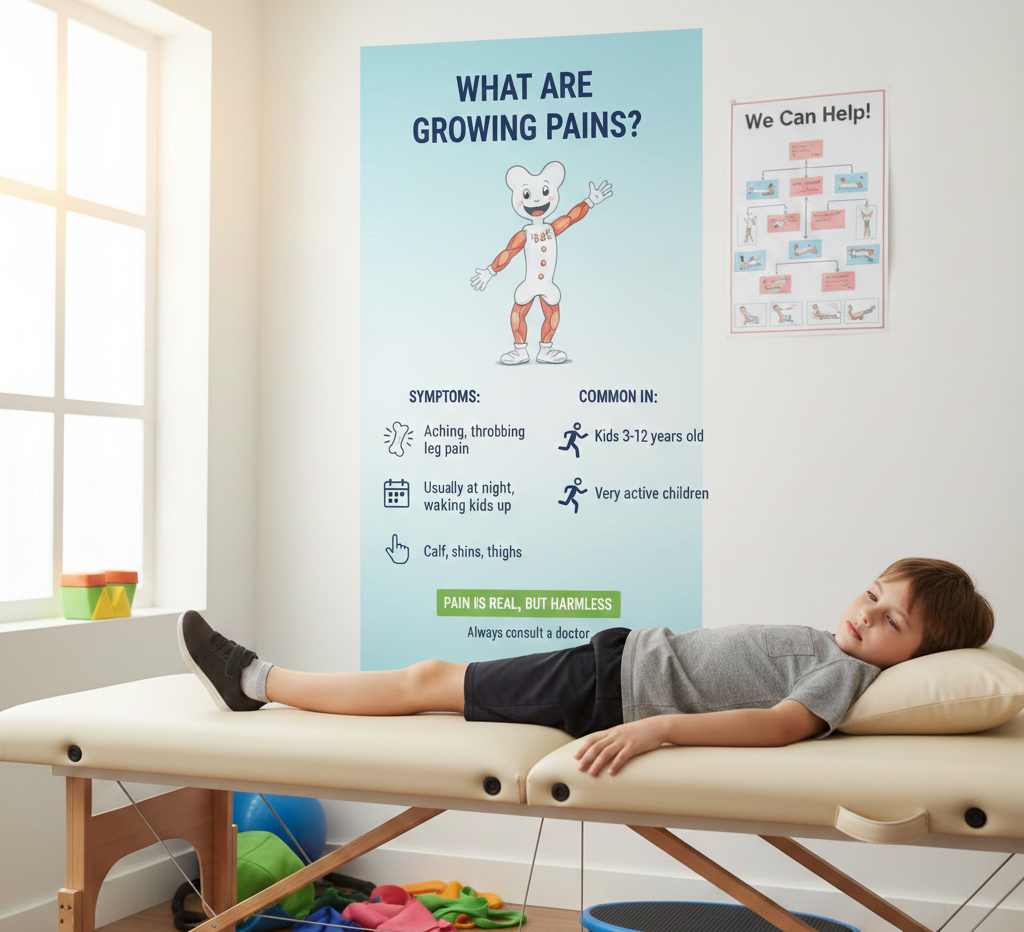
What Are Growing Pains?
Growing pains are recurring aches or discomfort in a child’s legs, most commonly felt in the calves, thighs, or behind the knees. Despite the name, they’re not directly caused by bones growing overnight.
Growing pains usually:
-
Occur in children aged 3–12
-
Appear in the evening or at night
-
Affect both legs, but sometimes one leg
-
Improve by morning
This is why searches like what are growing pains and growing pains symptoms are so common among parents.
Growing Pains Symptoms Parents Should Know
Common growing pains symptoms include:
-
Deep aching pain in legs
-
Pain that wakes a child at night
-
No swelling, redness, or fever
-
Normal walking during the day
If pain comes with swelling, limping, or lasts all day, it’s not “just growing pains” and needs medical attention.
Growing Pains in Kids vs Teenagers
Most growing pains occur in younger children, but growing pains at 15 are also reported. In teenagers, pain is often linked to:
-
Sports overload
-
Muscle tightness
-
Poor posture
-
Growth spurts combined with activity
This is where child physiotherapy for growing pains becomes more relevant.

Why Growing Pains Happen (The Real Reasons)
Growing pains are linked to:
-
Muscle fatigue from daily activity
-
Tight muscles
-
Poor biomechanics
-
Flat feet or posture issues
-
Rapid growth combined with weak muscles
That’s why parents search growing pains in one leg or growing pains in kids and get confused by mixed answers.
How to Relieve Growing Pains in Legs at Home
Parents often ask:
-
How to relieve growing pains in legs
-
How to relieve growing pains in legs at night
Simple steps include:
-
Gentle leg massage
-
Warm compress before bed
-
Light stretching
-
Proper hydration
-
Supportive footwear
These help, but they don’t fix underlying muscle or movement issues.
Role of Child Physiotherapy for Growing Pains
Child physiotherapy for growing pains focuses on:
-
Muscle flexibility
-
Strength development
-
Correct movement patterns
-
Posture and gait correction
Physiotherapy does not treat “pain only.” It addresses why the pain keeps returning.
How Physiotherapy Helps Growing Pains
A physiotherapist assesses:
-
Muscle tightness
-
Joint mobility
-
Walking and running patterns
-
Balance and coordination
Based on this, child physiotherapy for growing pains includes:
-
Stretching exercises
-
Strengthening programs
-
Activity modification guidance
-
Parent education
This approach reduces night pain and recurrence.
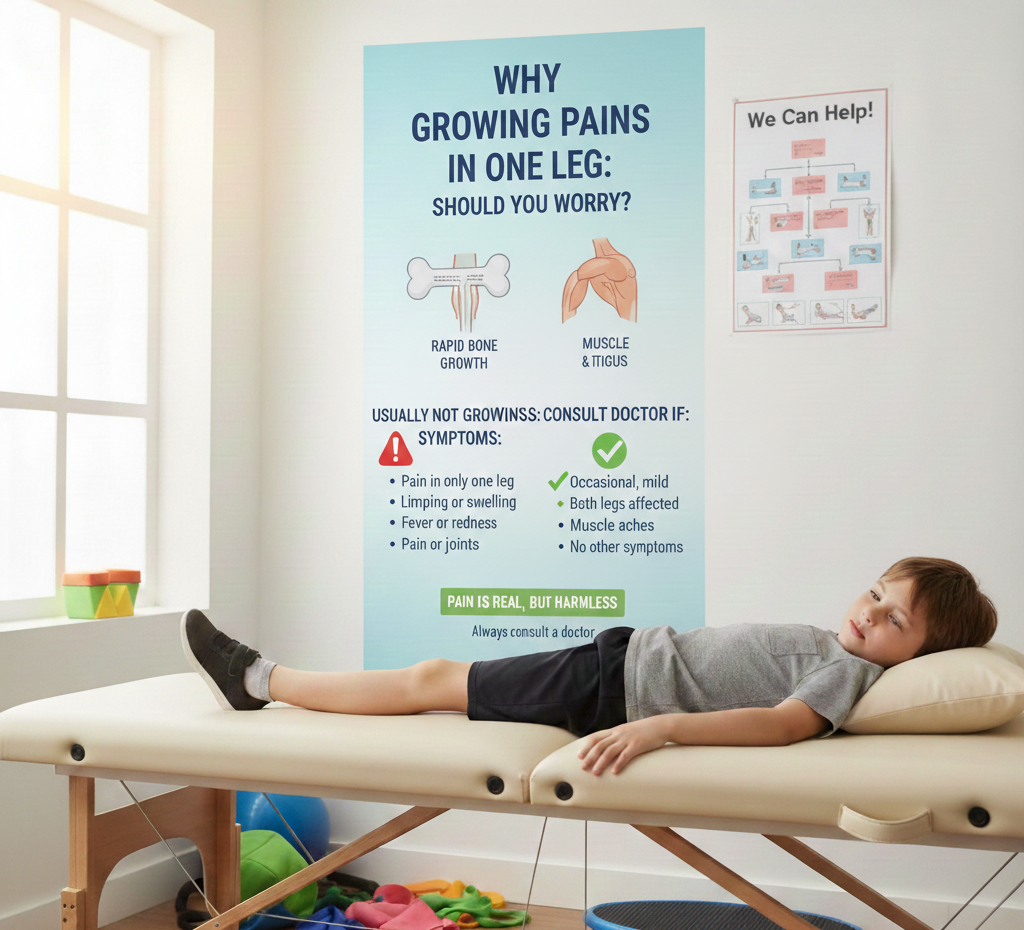
Growing Pains in One Leg: Should You Worry?
Growing pains in one leg are less common. While it can still be benign, one-sided pain should always be assessed to rule out:
-
Muscle imbalance
-
Overuse injury
-
Joint issues
Physiotherapy helps identify and correct these early.
Can Adults Have Growing Pain-Type Symptoms?
Parents often search how to relieve growing pains in legs in adults. Adults don’t get growing pains, but muscle fatigue, posture issues, and overuse injuries can feel similar.
The treatment logic remains the same: movement assessment and correction.
When Should Parents Seek Physiotherapy?
You should consider child physiotherapy for growing pains if:
-
Pain is frequent or worsening
-
Night pain disrupts sleep
-
Pain affects sports or play
-
Home remedies give only temporary relief
Ignoring persistent pain teaches children to normalize discomfort. That’s not a great habit.
Final Thoughts for Parents
Growing pains are common. Suffering through them isn’t necessary.
Child physiotherapy for growing pains helps reduce pain episodes, improve movement quality, and give children uninterrupted sleep. Reassurance is important, but action is better when pain keeps returning.
If your child’s legs hurt often, don’t settle for vague explanations. Get clarity.