Spine Rehabilitation for Chronic Pain | Effective Back Pain Treatment in Dwarka
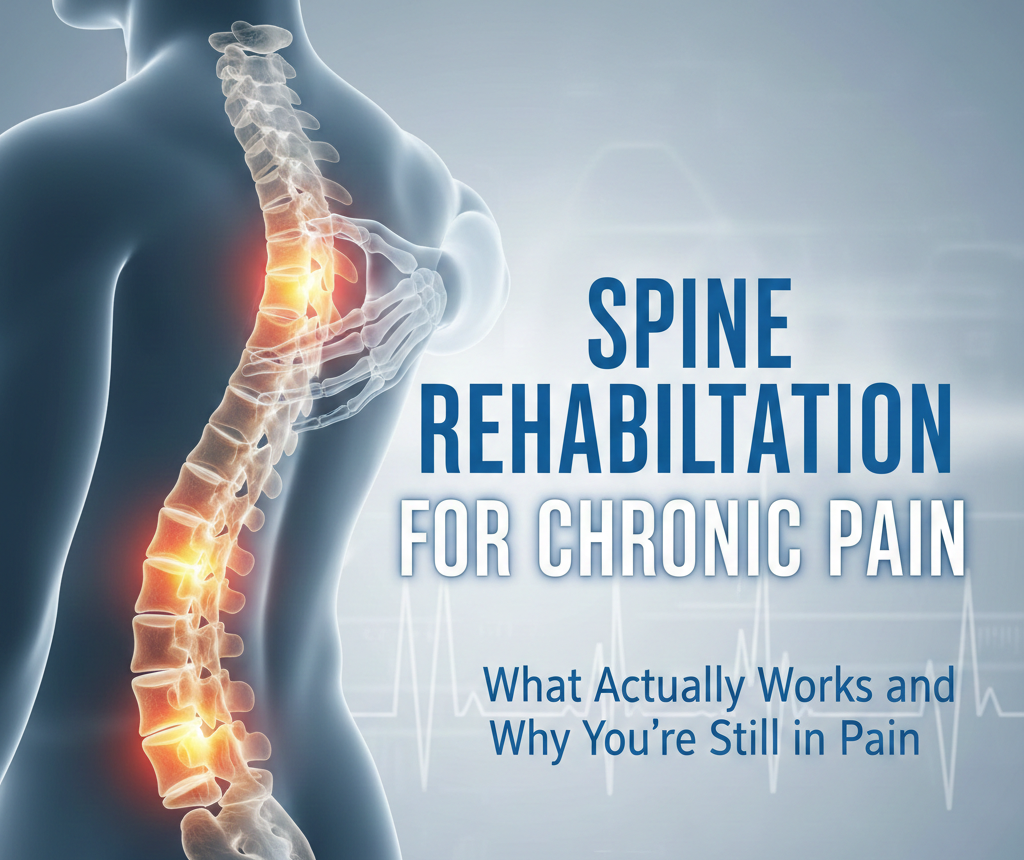
Spine Rehabilitation for Chronic Pain – What Actually Works and Why You’re Still in Pain
Chronic back pain isn’t “normal”. It isn’t aging. It isn’t something you have to live with.
People only Google spine rehabilitation for chronic pain when they’ve tried everything — painkillers, hot bags, stretching, random YouTube exercises — and nothing sticks.
This guide breaks down exactly why chronic back pain persists and how proper spine rehabilitation for chronic pain finally brings stability, strength, and relief.
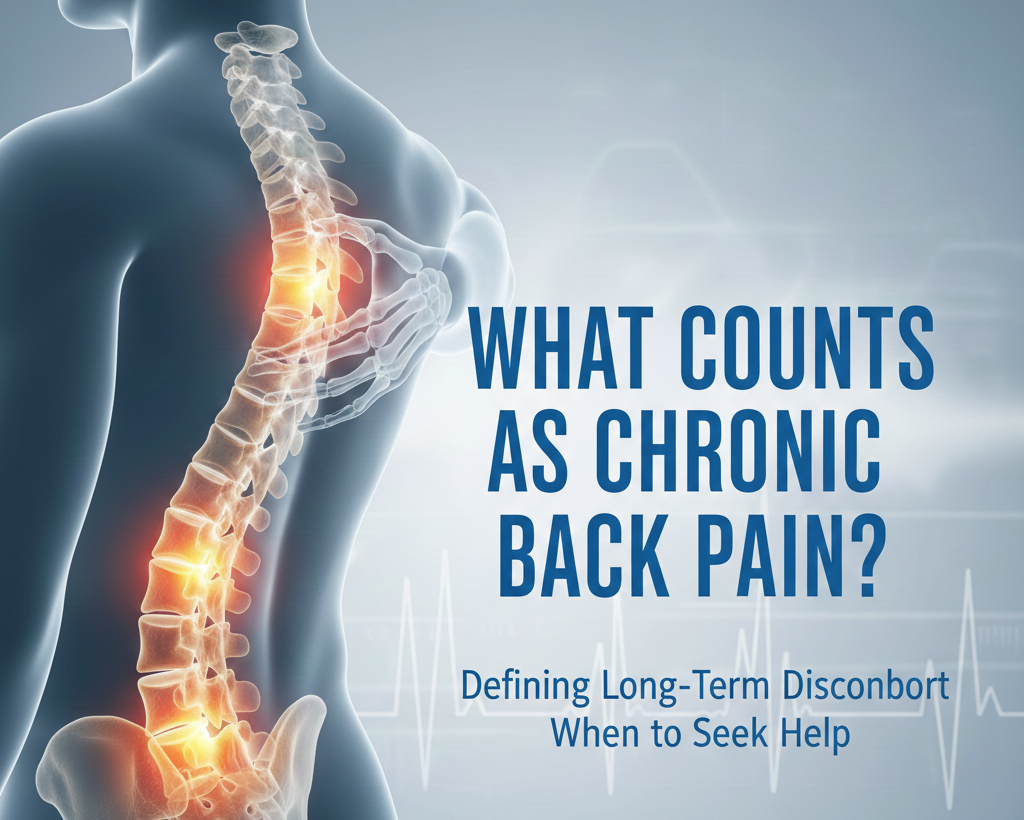
What Counts as Chronic Back Pain?
Back pain is labeled chronic when:
It lasts more than 12 weeks
Keeps coming back
Gets worse with sitting, standing, or bending
Doesn’t improve with basic home rest or painkillers
People looking up how to get rid of back pain instantly or how to relieve back pain fast at home are usually dealing with chronic issues, not temporary muscle strain.
Why Chronic Back Pain Doesn’t Heal on Its Own
Because most chronic spine problems are caused by:
Weak stabilizer muscles
Poor posture
Disc degeneration
Nerve compression
Sedentary lifestyle
Old injuries that never fully recovered
You can’t solve these with temporary hacks.
This is why spine rehabilitation for chronic pain exists — it treats the system, not the symptom.
What Causes Back Pain in Females and Males?
People search what causes back pain in females because women often experience pain linked to:
Hormonal changes
Pelvic alignment issues
Pregnancy-related strain
Weak core support
Men commonly deal with:
Lifting injuries
Stiff hamstrings
Disc pressure from sitting long hours
Spine rehab addresses all of these with targeted correction.
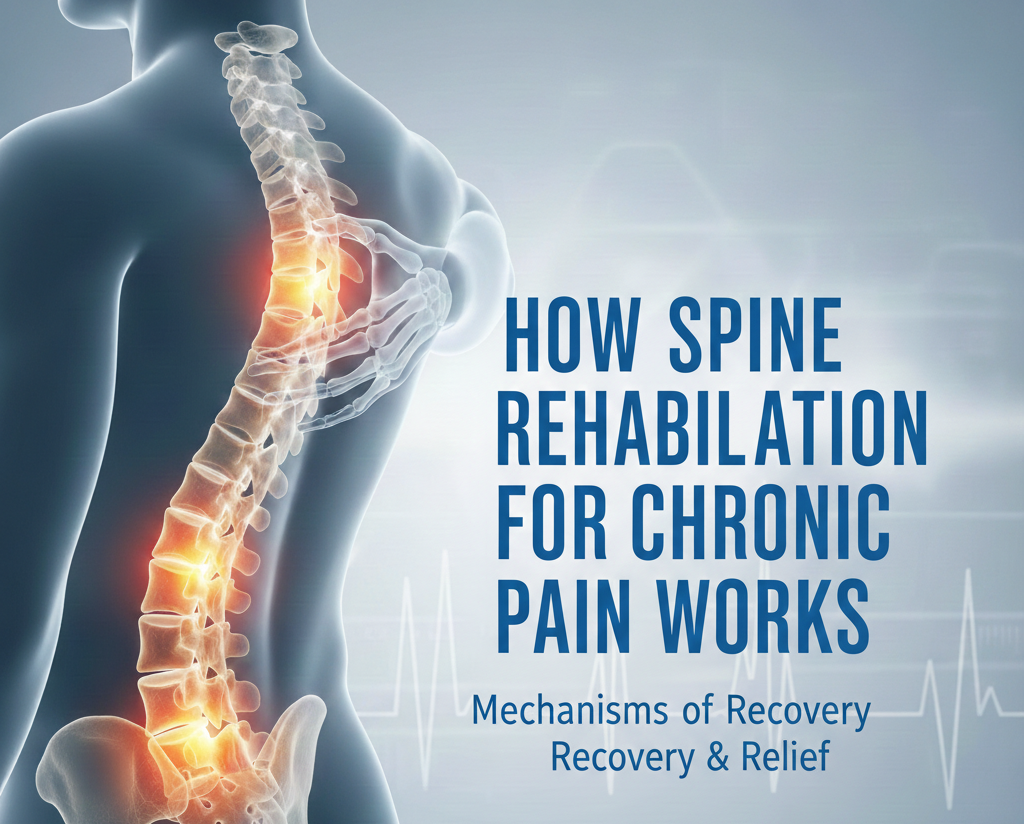
How Spine Rehabilitation for Chronic Pain Works
Effective spine rehabilitation for chronic pain follows a structured protocol:
1. Detailed Spine Assessment
The physiotherapist examines:
Posture
Core stability
Disc and joint mobility
Nerve tension
Muscle imbalances
This identifies why your pain keeps returning.
2. Pain Reduction Phase
To calm down severe symptoms like:
Nerve compression
Sharp spasms
Acute lower back stiffness
Therapies may include:
Manual therapy
Dry needling
Spinal mobilization
Electrotherapy
If you’re searching how to relieve severe lower back pain, this phase is crucial.
3. Strength & Stability Training
Once pain reduces, spine rehabilitation for chronic pain shifts to:
Deep core strengthening
Hip and glute activation
Lumbar stabilization
Flexibility training
This stage prevents relapse — the part most patients skip.
4. Functional Training & Long-term Correction
To stay pain-free long term, rehab trains you for:
Sitting without strain
Safe bending & lifting
Improved gait
Stronger posture habits
This is what creates permanent change and stops the cycle.
Home Relief Methods: What Actually Helps?
People love to search how I cured my lower back pain at home — but the truth is, home relief helps temporarily.
Still, here are effective methods verified by physiotherapists:
For fast relief:
Heat therapy
Light stretching
Cat-cow mobility
Hamstring stretches
For long-term improvement:
Core activation
Glute strengthening
Posture correction
But without structured spine rehabilitation for chronic pain, relief won’t last week to week.
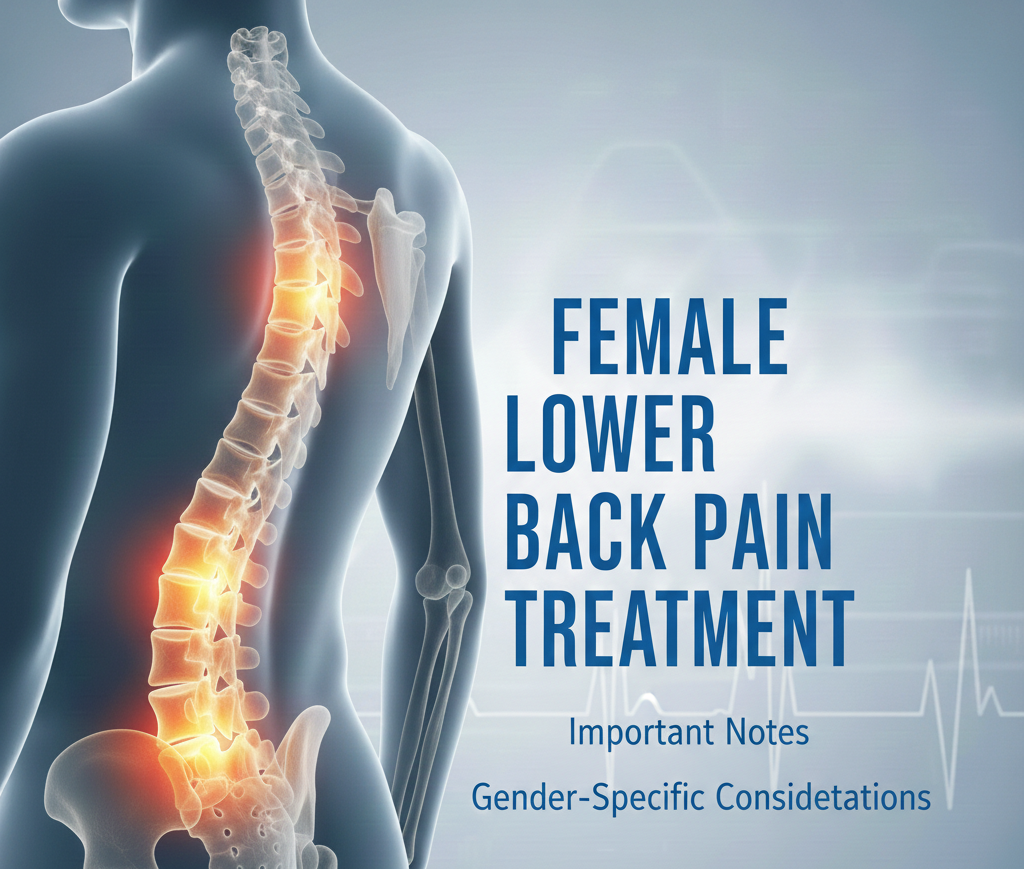
Female Lower Back Pain Treatment: Important Notes
Searches for female lower back pain treatment are high because hormonal cycles, pelvic positions, and muscle support systems differ for women.
Spine rehab includes:
Pelvic alignment correction
Tailbone mobility
Lower abdominal strengthening
This gives much better results than generic exercise videos.
When You Need Professional Help Immediately
If you feel:
Numbness
Shooting pain down the leg
Pain worsening daily
Pain affecting sleep
Difficulty standing or sitting
Repeated flare-ups
Stop home experiments.
You urgently need spine rehabilitation for chronic pain under guided supervision.
Final Thoughts
Chronic back pain doesn’t respond to shortcuts. Pills may numb the pain for a few hours, but they don’t teach your spine how to function again.
If you want real, lasting recovery:
Spine rehabilitation for chronic pain is the only structured, evidence-backed solution that rebuilds strength, mobility, and stability from the ground up.
Invest in your spine now or pay for it later — there’s no middle ground with chronic pain.