Physiotherapist – The Complete Guide to Pain Relief, Recovery, and Better Movement








Pain has become normal. Bad posture, long screen hours, stress, zero movement, sudden injuries. Everyone has something hurting. Most people pop painkillers and hope it magically disappears.
It doesn’t.
That’s where a physiotherapist comes in. Not as a last option. Not as an “extra.” As a core part of real recovery.
This guide explains what a physiotherapist does, when you need one, how physiotherapy works, and why it’s one of the smartest healthcare decisions you can make if you actually want your body to function long term.
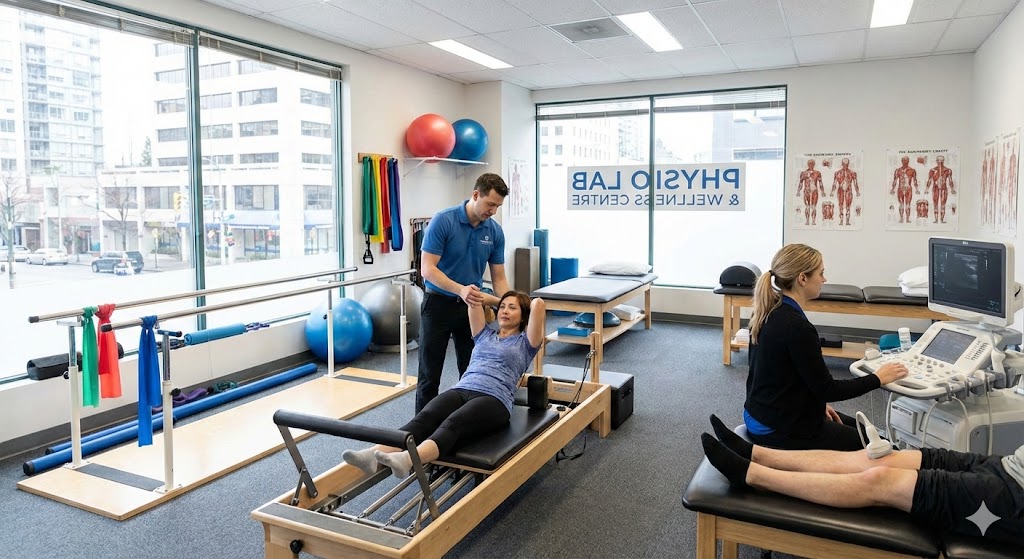
A physiotherapist is a licensed healthcare professional who helps people restore movement, reduce pain, improve strength, and prevent future injuries using physical methods instead of drugs or surgery.
No magic machines. No motivational speeches. Just structured, science-based movement therapy.
Physiotherapists focus on:
Muscles
Joints
Bones
Nerves
Posture
Movement patterns
They treat the cause, not just the symptom. That’s the uncomfortable truth most quick-fix treatments avoid.
A physiotherapist doesn’t just “give exercises.” That’s what bad Instagram reels pretend.
A real physiotherapist:
Assesses posture, movement, and muscle imbalance
Identifies the root cause of pain or dysfunction
Designs a personalized treatment plan
Uses manual therapy, exercises, and modalities
Tracks progress and adjusts treatment
Manual therapy
Stretching and strengthening exercises
Joint mobilization
Electrotherapy
Postural correction
Balance and coordination training
The goal is simple: make your body work the way it’s supposed to.
A physiotherapist treats far more than gym injuries.
Back pain
Neck pain
Knee pain
Shoulder pain
Arthritis
Stroke recovery
Parkinson’s disease
Multiple sclerosis
Nerve injuries
Ligament tears
Muscle strains
Tennis elbow
Runner’s knee
Knee replacement
Hip replacement
Spine surgery
Fracture recovery
If movement is involved, a physiotherapist is relevant.
People confuse these constantly.
Doctor: Diagnoses disease, prescribes medicine
Physiotherapist: Restores movement and function
Chiropractor: Focuses mainly on spinal adjustments
A physiotherapist works with doctors, not against them. The difference is physiotherapy doesn’t rely on lifelong medication.
That’s why it actually works long term.
orks through adaptation.
Your body responds to:
Controlled stress
Repeated correct movement
Gradual strengthening
Pain often exists because your body learned the wrong movement pattern. A physiotherapist retrains it.
It’s boring. It’s repetitive. It’s effective.
Stop waiting until pain becomes unbearable.
See a physiotherapist if:
Pain lasts more than 7 days
Pain keeps returning
Movement feels restricted
You had surgery or injury
Sitting or standing hurts
Ignoring pain doesn’t make you tough. It makes recovery slower.
Athletes break their bodies for performance. A physiotherapist puts it back together properly.
They help with:
Injury prevention
Performance improvement
Faster return to sport
Muscle balance and conditioning
This is why every serious athlete has a physiotherapist. Casual players should too.
Back pain is rarely about the back.
A physiotherapist looks at:
Hip mobility
Core strength
Posture
Daily movement habits
Treating only the pain spot is lazy medicine. Physiotherapy isn’t lazy.
After a stroke or nerve injury, movement doesn’t just “come back.”
A physiotherapist helps retrain:
Balance
Coordination
Muscle control
Functional independence
This work is slow, technical, and life-changing.
Surgery fixes structure. Physiotherapy restores function.
Without a physiotherapist:
Muscles weaken
Joints stiffen
Recovery slows
With proper physiotherapy, recovery becomes controlled instead of chaotic.
Surgery fixes structure. Physiotherapy restores function.
Without a physiotherapist:
Muscles weaken
Joints stiffen
Recovery slows
With proper physiotherapy, recovery becomes controlled instead of chaotic.
Depends on:
Severity of condition
Consistency of sessions
Your effort at home
Some recover in weeks. Some need months. The body doesn’t run on deadlines.
Look for:
Proper qualification and license
Clear assessment process
Personalized treatment
Education and guidance
Honest timelines
Avoid anyone promising instant cures. That’s not healthcare. That’s marketing.
A physiotherapist doesn’t just treat pain. They teach your body how to move correctly again.
Physiotherapy demands effort, patience, and consistency. People who want shortcuts quit early. People who want real recovery stick around.
Your body keeps score. Physiotherapy helps you fix it before the bill gets ugly.
Spine Rehabilitation for Chronic Pain – What Actually Works and Why You’re Still in Pain Chronic back pain isn’t “normal”. It isn’t aging. It isn’t something you have to live with.People only Google spine rehabilitation for chronic pain when they’ve tried everything — painkillers, hot bags, stretching, random YouTube exercises — and nothing sticks. This…
Back pain and slip disc problems are no longer limited to old age. Long sitting hours, poor posture, lack of movement, and sudden injuries have made spinal issues common among people of all age groups. If you are searching for the Best Physiotherapy Clinic in Dwarka for Back Pain, choosing the right place for treatment…
Physiotherapy in Naseer Pur Dwarka Palam – Trusted Care Near You Physiotherapy in Naseer Pur Dwarka Palam is becoming a smart and essential choice for people who want long-term relief from pain, injuries, and movement problems without depending on medicines or surgery. Life today is rough on the body. Long working hours, bad posture, stress,…
For many patients, traveling to a clinic during pain, recovery, or old age is not practical. In such cases, Home Physiotherapy Services in Dwarka and Nasirpur provide professional treatment in the comfort of one’s home, without compromising on quality or results. Physio Now – Physiotherapy and Rehab Clinic in Dwarka offers structured home-based physiotherapy programs…
Post-Surgery Physiotherapy in Dwarka Surgery fixes the problem. Post-surgery physiotherapy determines whether you recover fully or live with stiffness, weakness, and fear of movement. This is why people urgently search for post surgery physiotherapy near me days after an operation. Surgery is only step one. Rehabilitation is where real recovery happens. What Is Post-Surgery Physiotherapy?…
What Is a Physiotherapy Clinic? A physiotherapy clinic is a healthcare center that focuses on restoring movement, reducing pain, and improving physical strength without surgery or long-term medicines. Physiotherapy clinics use exercises, manual therapy, posture correction, and modern equipment to treat the root cause of pain instead of masking symptoms. Why Choosing the Right Physiotherapy…